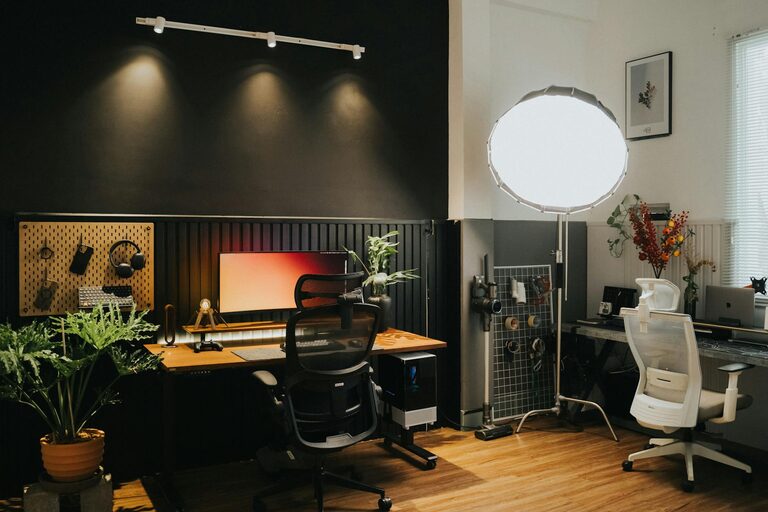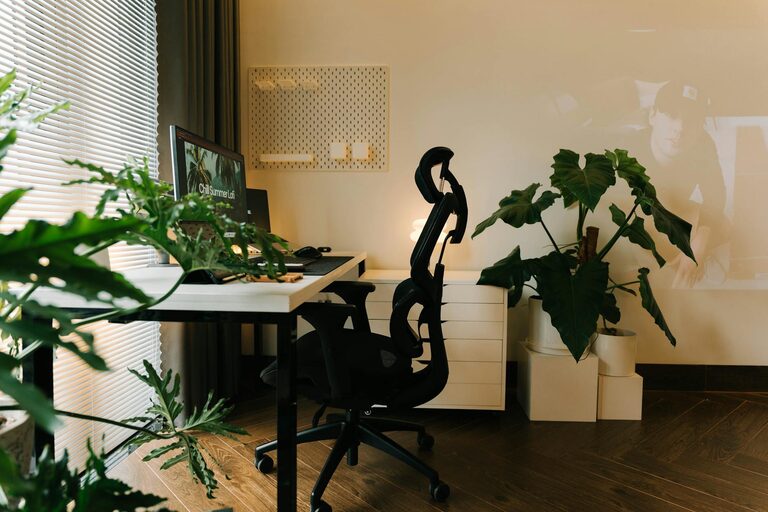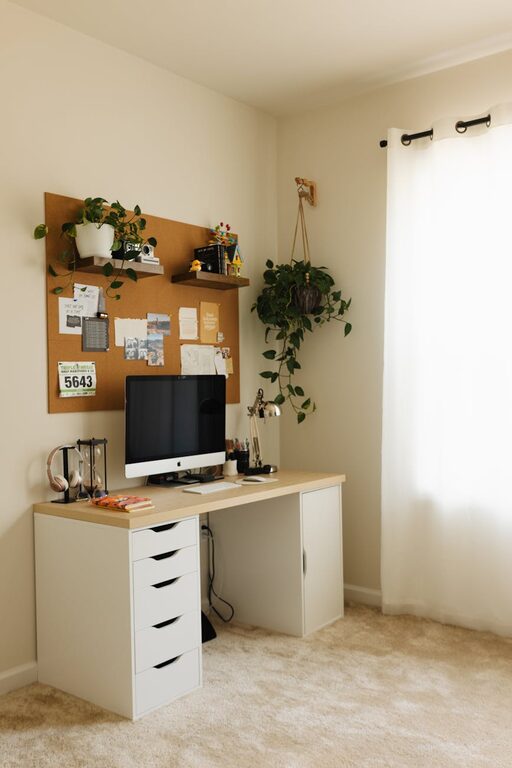

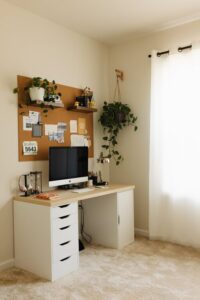

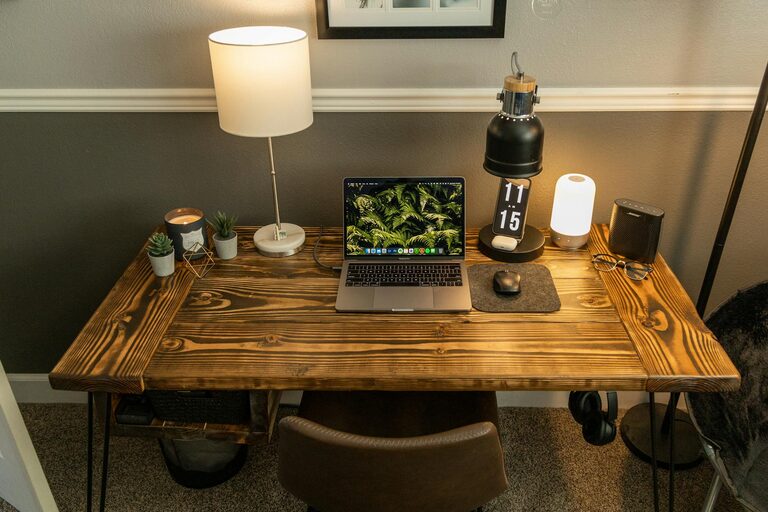
Creating a comfortable and inviting home office is essential for anyone who works or studies from home. A well-designed workspace can inspire creativity, boost productivity, and reduce stress. Whether you have a dedicated room or a small corner in your living space, there are many ways to make your home office feel cozy and welcoming.
In this post, we’ll explore practical tips to help you design a home office that combines comfort and functionality. Let’s get started!
1. Choose the Right Location
Consider Natural Light
Natural light enhances mood and reduces eye strain. If possible, set up your office near a window to enjoy daylight. Avoid glare on screens by positioning your desk perpendicular to the window.
Minimize Distractions
Select a quiet spot away from high-traffic areas of your home. A peaceful environment helps you focus and be more productive.
2. Invest in Comfortable Furniture
Ergonomic Chair
Comfort starts with a supportive chair. Choose one with adjustable height, lumbar support, and breathable material for long hours at your desk.
Suitable Desk
Pick a desk that fits your space and work style. Adjustable desks offer flexibility to sit or stand, which is beneficial for health.
Add Soft Textures
Incorporate cushions or a cozy throw on your chair to add warmth and comfort.
3. Personalize Your Space
Use Color Wisely
Colors influence mood and productivity. Soft neutrals create calmness, while pops of your favorite hues add personality without overwhelming the space.
Display Personal Items
Add framed photos, artwork, or inspirational quotes that motivate you. These touches make the space feel uniquely yours.
Indoor Plants
Plants improve air quality and add a natural, soothing vibe. Choose low-maintenance options like succulents or pothos if you’re new to plant care.
4. Organize Efficiently
Declutter Regularly
Keep your workspace tidy to maintain focus. Use storage solutions like shelves, drawers, and organizers to keep supplies in order.
Cable Management
Use clips, ties, or cable boxes to keep cords neat and reduce visual clutter.
Accessible Storage
Keep frequently used items within arm’s reach, and store less-used items away to maximize desk space.
5. Lighting Matters
Layer Your Lighting
Combine ambient lighting (ceiling lights), task lighting (desk lamps), and accent lighting (string lights or small lamps) to create a balanced and cozy atmosphere.
Choose Warm Light Bulbs
Warm white bulbs (2700K-3000K) create a relaxing environment, reducing the harshness of cool white or blue lights.
6. Create a Relaxing Atmosphere
Add Textiles
Place a soft area rug under your desk or near your chair to add warmth and reduce noise.
Use Aromatherapy
Introduce subtle scents with candles or essential oil diffusers to create a calming ambiance.
Play Background Music
Soft, instrumental music or nature sounds can help improve concentration and reduce stress.
7. Optimize Layout for Comfort and Flow
Keep Movement in Mind
Arrange your furniture to allow easy movement and access to essentials, avoiding cramped or awkward positions.
Separate Work and Leisure
If space allows, create a small reading nook or relaxation corner apart from your main workspace.
8. Maintain Technology Comfortably
Screen Position
Place your computer screen at eye level to prevent neck strain and promote good posture.
Use Accessories
Consider ergonomic keyboards, mouse pads with wrist support, and monitor stands to enhance comfort.
—
Final Thoughts
Designing a cozy and inviting home office doesn’t require a big budget or large space. By focusing on comfort, personalization, and organization, you can create a workspace that feels welcoming and inspires productivity.
Start small—maybe adding a plant or improving your lighting—and gradually build a space that works best for you. Remember, a happy workspace makes work more enjoyable!