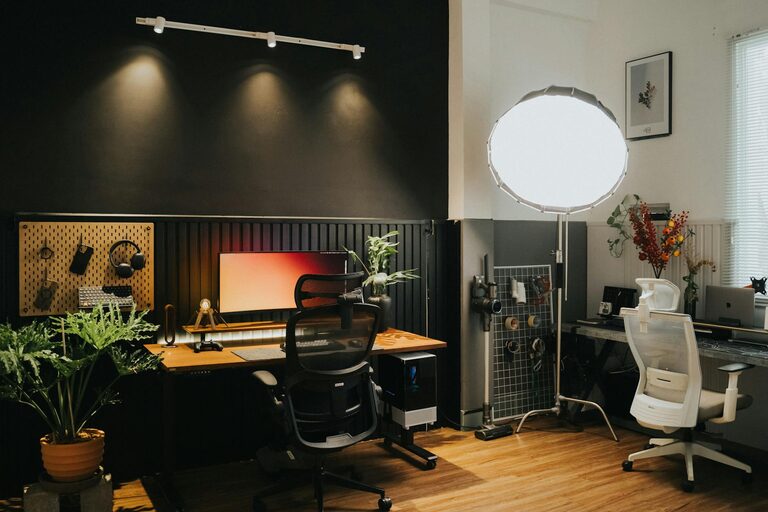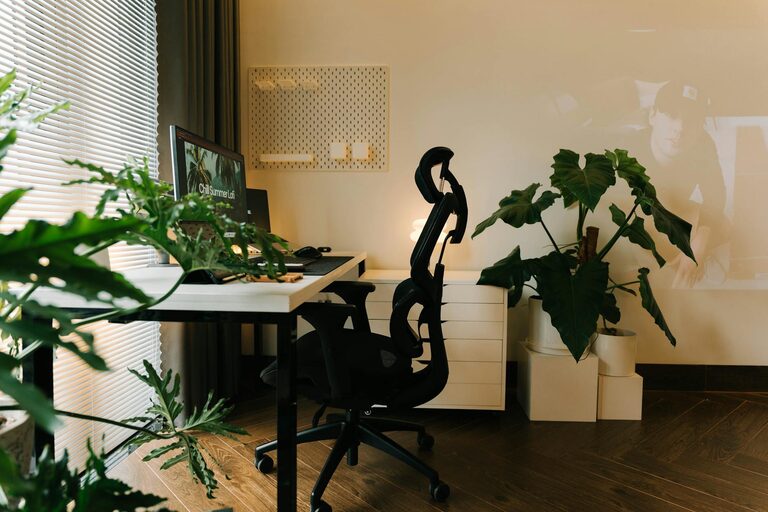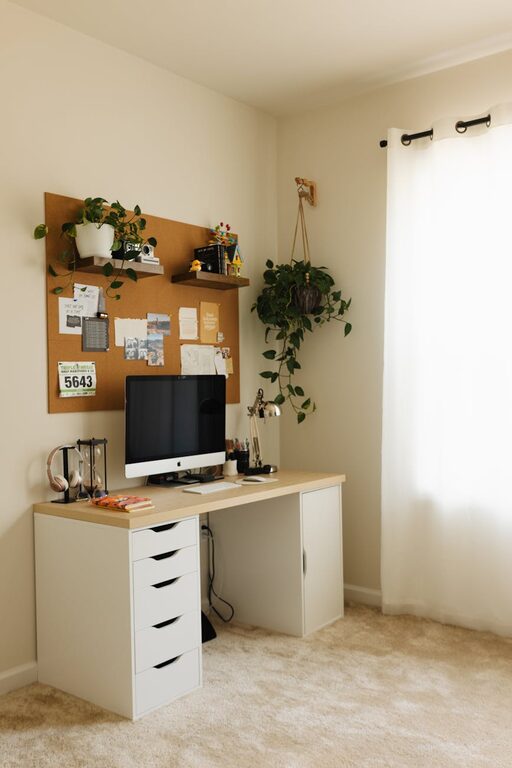
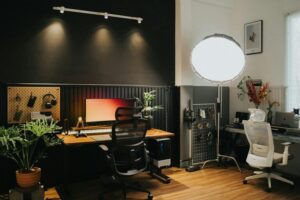
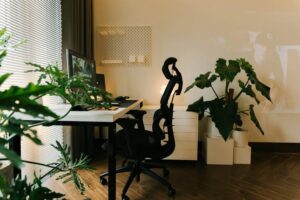
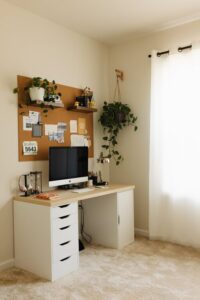
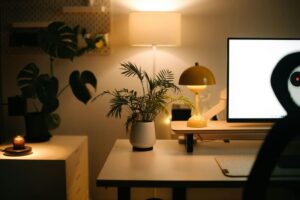
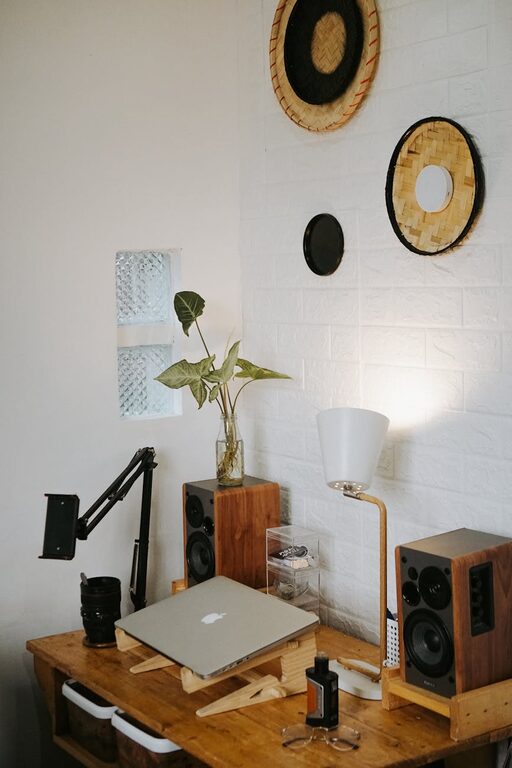
Creating a home office space that balances comfort and productivity is essential for anyone working from home. Whether you’re starting from scratch or enhancing an existing setup, having a workspace that feels cozy yet efficient can make a big difference in your daily routine. Below are practical tips to help you design a home office that supports your work needs and nurtures your well-being.
Choose the Right Location
Finding the best spot for your home office is the first step. Ideally, select a quiet area with minimal distractions and enough space for your desk and equipment.
– Natural Light: Position your desk near a window if possible. Natural light boosts mood and helps reduce eye strain.
– Away from High Traffic: Locate your workspace where there is less foot traffic to maintain focus.
– Privacy Considerations: If a separate room isn’t available, use room dividers or screens to create a sense of separation.
Invest in Comfortable Furniture
Comfortable furniture supports long hours of work and helps prevent physical strain.
– Ergonomic Chair: Choose a chair that offers good back support and adjustable height.
– Desk Size: Pick a desk large enough for your computer, paperwork, and accessories without feeling cluttered.
– Standing Options: Consider a sit-stand desk or a converter to change positions during the day.
Organize for Efficiency
An organized space reduces stress and helps you find things quickly.
– Storage Solutions: Use shelves, drawers, or filing cabinets to keep documents and supplies neatly stored.
– Cable Management: Keep cords tidy with cable clips, sleeves, or trays to avoid a messy look.
– Desk Accessories: Utilize organizers for pens, notepads, and other small items.
Personalize Your Space
Adding personal touches makes your workspace inviting and motivating.
– Plants: Indoor plants add color and improve air quality.
– Art and Decor: Hang pictures or artwork that inspire you.
– Comfort Items: Include a cozy blanket or a pillow to make your seating area more pleasant.
Optimize Lighting
Good lighting is essential for productivity and comfort.
– Task Lighting: Use desk lamps to illuminate your work area clearly.
– Adjustable Light Sources: Lamps with dimming options allow you to adjust brightness as needed.
– Avoid Glare: Position screens and light sources to reduce reflections and eye strain.
Minimize Distractions
Staying focused while working at home can be challenging. Create boundaries to help maintain concentration.
– Set a Schedule: Communicate your work hours to family or roommates.
– Noise Control: Use noise-canceling headphones or white noise machines if needed.
– Limit Digital Interruptions: Use apps or settings to reduce notifications during work time.
Incorporate Healthy Habits
Your physical health plays a key role in productivity and comfort.
– Movement Breaks: Set reminders to stand, stretch, or walk regularly.
– Hydration Station: Keep a water bottle nearby to stay hydrated.
– Air Quality: Keep your workspace ventilated and clean.
Technology Setup
Ensure that your technology supports your work efficiently without introducing frustration.
– Reliable Internet: A strong connection is critical for remote work.
– Backup Power: Use a surge protector or an uninterruptible power supply if possible.
– User-Friendly Equipment: Choose monitors, keyboards, and mice that suit your preferences and reduce strain.
Keep it Clutter-Free Daily
End each workday by tidying your desk and organizing materials. A clean space refreshes your mind for the next day and maintains the cozy feel.
—
Designing a home office that is both cozy and productive is about balance. By choosing the right location, investing in comfortable furniture, organizing efficiently, and personalizing your space, you create an environment that supports your work and well-being. Small adjustments in lighting, minimizing distractions, and incorporating healthy habits further enhance your daily routine. With these tips, your home office can become a place you look forward to working in every day.